Families rarely plan for capacity disputes. They emerge in real time: a sudden hospitalization, a dementia diagnosis, a new relationship, unexplained financial or care decisions, or conflict between adult children and clinicians about consent. When capacity is in question, the issue is not simply “who should decide.” It is whether the older adult can still make a specific decision, and if not, which legal authority applies, an existing Power of Attorney (POA), a statutory substitute decision-maker, or a court-appointed guardian.
A useful way to approach these matters is to treat them as evidence-based and time-sensitive. Ontario law distinguishes between capacity to make treatment decisions and capacity to grant a POA. It also separates personal-care decisions from property decisions. Counsel’s role is to clarify which capacity standard applies, assess whether a POA is valid and effective, prepare for urgent guardianship or Consent and Capacity Board (CCB) proceedings where needed, and structure records to better support decisions if they are reviewed.
The starting point: capacity is decision-specific
Capacity is not a single, permanent label. In Ontario, the question is often whether the person can understand the relevant information and appreciate the reasonably foreseeable consequences of a decision. In practice, a senior may be capable of deciding where to live but not capable of consenting to a complex treatment, or capable in the morning but not later in the day due to delirium or medication effects. Disputes often grow when families assume capacity is global while clinicians assess it as specific to the choice at hand.
This is why documentation matters. Capacity decisions are usually justified through clinical notes, capacity assessments, and the reasoning behind them. If conflict escalates, those records often become the backbone of a CCB hearing or a court application.
Personal-care Powers of Attorney: what they do and when they work
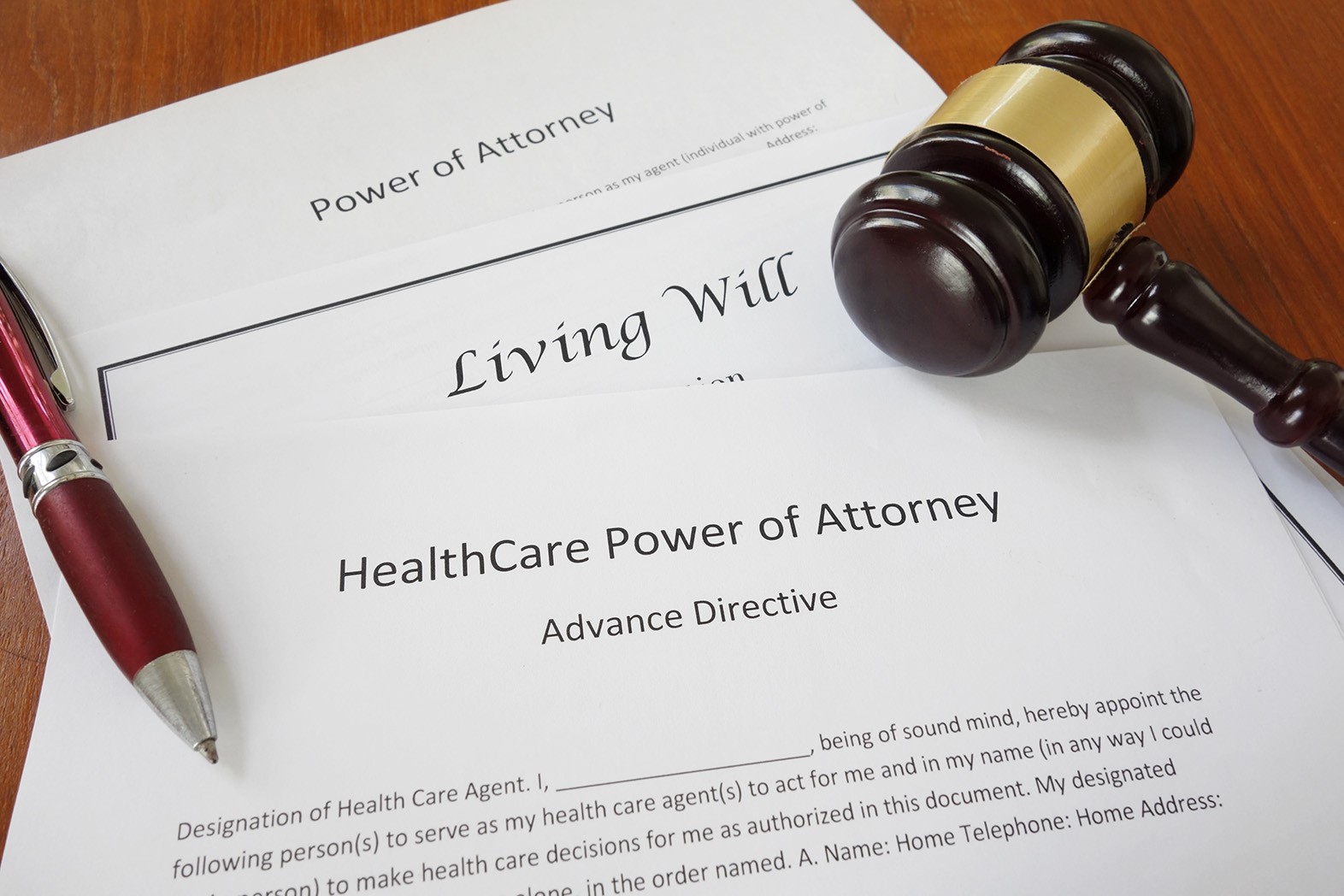
A personal-care POA (also called a POA for personal care) is a document that appoints someone to make health and personal-care decisions if the grantor becomes incapable. It typically covers decisions about treatment, housing, nutrition, safety, hygiene, and other personal matters. The document can reduce uncertainty, but it does not prevent disputes on its own.
Two issues regularly arise in practice.
First, families may disagree about whether the POA is valid, whether it was signed with capacity, or whether it is the most recent version. A POA can be challenged where there are concerns about undue influence, pressure, isolation, or sudden changes that are inconsistent with a long-standing plan.
Second, even when the POA is valid, conflict can arise about whether it is “in effect.” In many situations, the attorney for personal care only has authority when the grantor is incapable of making the specific decision. If clinicians consider the patient capable, the POA may not control the decision in that moment. If clinicians consider the patient incapable, the POA may become the operative decision-making authority, subject to the legal duties that apply to substitute decision-makers.

Who decides if there is no POA? Substitute decision-making rules
When there is no valid POA, decision-making authority may fall to a substitute decision-maker under Ontario’s hierarchy for treatment decisions, often a spouse or partner, child, parent, or other relative. These rules can become contentious when family members disagree about what the older adult would want or when there are blended families or estranged relationships. In high-conflict situations, clinicians may be reluctant to proceed without clarity, which can delay discharge planning, admission to care facilities, or significant treatment decisions.
These disputes are not just interpersonal. They often involve questions about prior wishes, current best interests, and whether the person’s expressed wishes are the product of capacity or vulnerability.
When guardianship becomes urgent
Guardianship is typically used when a more formal authority is required to make decisions and manage ongoing conflict, or when there is evidence of risk and no workable substitute decision-making structure. In Ontario, guardianship can involve guardianship of property, guardianship of the person (personal care), or both. It can also be pursued urgently where there are immediate safety concerns, contested discharge plans, or allegations that an attorney under a POA is not acting properly.
Guardianship applications are evidence-heavy. Courts generally look for clear proof that the person is incapable in the relevant domain, that less intrusive alternatives are not adequate, and that the proposed guardian is suitable and acting in the person’s interests. Where the application is contested, the court expects careful records, credible affidavits, and a plan that addresses care, living arrangements, and oversight.
The CCB’s role when consent or capacity is disputed
The Ontario Consent and Capacity Board (CCB) commonly becomes involved when there is a dispute about capacity to consent to treatment or admission to a care facility, or when substitute decision-making is contested. CCB hearings move quickly and are focused on the legal tests and the evidence. The Board is not deciding what family members prefer; it is deciding whether the legal criteria are met and who has authority to consent.
For families, the practical point is that preparation matters. Outcomes often turn on how well the evidence connects to the statutory test: what the person understood, what consequences they appreciated, what the clinician observed, and what prior wishes or values are reliably documented.
Testing POA validity and conduct: when disputes go beyond capacity
Not every conflict is truly about capacity. Some disputes centre on whether the attorney for personal care is acting properly, whether they are following prior capable wishes where known, whether decisions reflect the person’s values, and whether the attorney is communicating transparently with family and care teams.
When concerns arise, counsel may be asked to evaluate both the document and the conduct. That can include reviewing execution history, confirming revocation or replacement, assessing the circumstances around signing, and organizing records about decisions made and the reasons for them. In contentious cases, structured records can help reduce the risk that a dispute devolves into competing narratives without supporting evidence.
One high-impact list: what to confirm early in a capacity or POA dispute
- Which decision is at issue: treatment, admission, personal assistance services, or broader personal care decisions.
- Capacity standard and timing: whether capacity is decision-specific, fluctuating, or assessed under a particular statutory test.
- Document status: whether a personal-care POA exists, whether it is the most recent version, and whether it is valid and effective for the decision.
- Evidence trail: clinical notes, assessments, communications, prior capable wishes, and the person’s known values.
- Next forum: whether the dispute is likely to be resolved through care-team processes, a CCB hearing, or a guardianship application.
A practical way to reduce conflict and protect the older adult
Capacity disputes often escalate when decision-making authority is unclear, and records are fragmented. Clarity usually comes from two sources: a careful read of the legal framework and a disciplined evidentiary record that tracks capacity assessments, decisions made, and the rationale behind them. Where urgent decisions are required, early legal advice can help families and clinicians move from conflict to process, whether that means relying on a valid POA, confirming substitute decision-making authority, or preparing for CCB or guardianship proceedings.
Need help navigating a personal-care POA or guardianship dispute in Ontario? Our team can clarify the applicable capacity standards, assess POA validity, prepare for urgent guardianship or CCB proceedings, and structure records to better support decisions if they are reviewed.
FAQs — Personal-Care POAs, Capacity, and Guardianship in Ontario
Does a personal-care POA take effect immediately?
Often, an attorney for personal care acts only when the grantor is incapable of making the specific decision. If the person is found capable for that decision, they remain the decision-maker.
Can capacity fluctuate day to day?
Yes. Capacity can be decision-specific and can fluctuate due to illness, medication, delirium, or cognitive decline. That is why timing and documentation of assessments matter.
What happens if there is no POA?
Decision-making may fall to a substitute decision-maker under Ontario’s hierarchy for treatment and care decisions, depending on the situation and who is available and willing to act.
When is guardianship necessary?
Guardianship may be pursued when there is persistent conflict, safety risk, lack of a valid decision-making structure, or concerns about how decisions are being made under an existing authority.
What does the CCB decide?
The CCB decides specific disputes under Ontario statutes, often involving capacity to consent to treatment or admission and related substitute decision-making questions. Hearings are evidence-focused and time-sensitive.