A car accident can leave people shaken, overwhelmed, and unsure what to do next. Even a collision that seems minor at first can lead to injuries, insurance issues, repair disputes, missed work, or questions about who is responsible.
The first priority is always safety. After that, the steps you take can affect your health, your insurance claim, and your ability to protect your legal rights if problems develop later.
In Ontario, the practical approach is simple: make the scene safe, get medical help where needed, report the accident when required, document what happened, contact your insurer, and be careful before accepting any early settlement offer.
Stop, stay calm, and check for injuries
After a collision, stop your vehicle immediately. Leaving the scene of an accident can create serious legal consequences.
If anyone appears injured, call 911 right away. Do not move an injured person unless there is an immediate danger, such as fire or another safety risk. If emergency services give instructions, follow them carefully and wait for help to arrive.
If you are able to move safely, check on passengers, other drivers, cyclists, pedestrians, and anyone else involved. Adrenaline can make injuries feel less obvious at first, so it is important not to assume that everyone is fine simply because they can stand or speak.
Move to a safe location if you can
If the vehicles are drivable and it is safe to do so, move them out of traffic and onto the shoulder or another safe area. Turn on hazard lights. If you have warning triangles, cones, or flares, use them only if it is safe.
If a vehicle cannot be moved, or if the collision happened in a dangerous location, keep yourself and others away from traffic and wait for assistance.
The goal is to prevent a second accident while preserving enough information to document what happened.
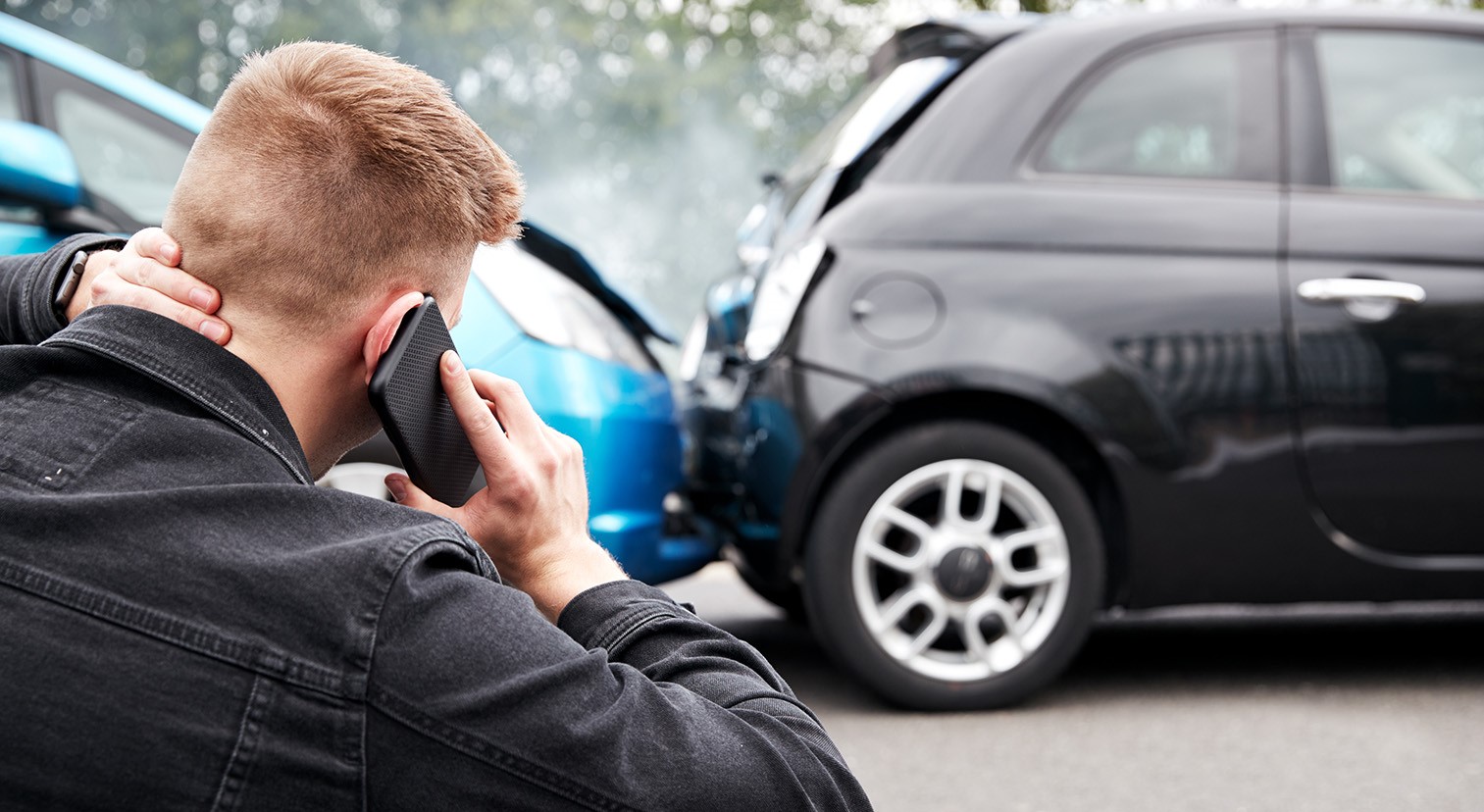
Call police when required
In Ontario, police should be contacted when someone is injured, when there is suspected criminal activity such as impaired driving, when a driver leaves the scene, when a driver is uninsured or suspended, when public or private property is damaged, or when the combined damage appears to meet the reporting threshold.
Ontario guidance currently refers to reporting where total vehicle damage appears to be more than $5,000. Because damage can be hard to estimate at the scene, it is often safer to report the accident if there is any doubt.
Depending on where the accident happened and how serious it is, police may attend the scene or direct you to a Collision Reporting Centre. If emergency help is needed, call 911. If the situation is not an emergency, contact the local police service or follow the Collision Reporting Centre process for that area.
Exchange information with the other driver
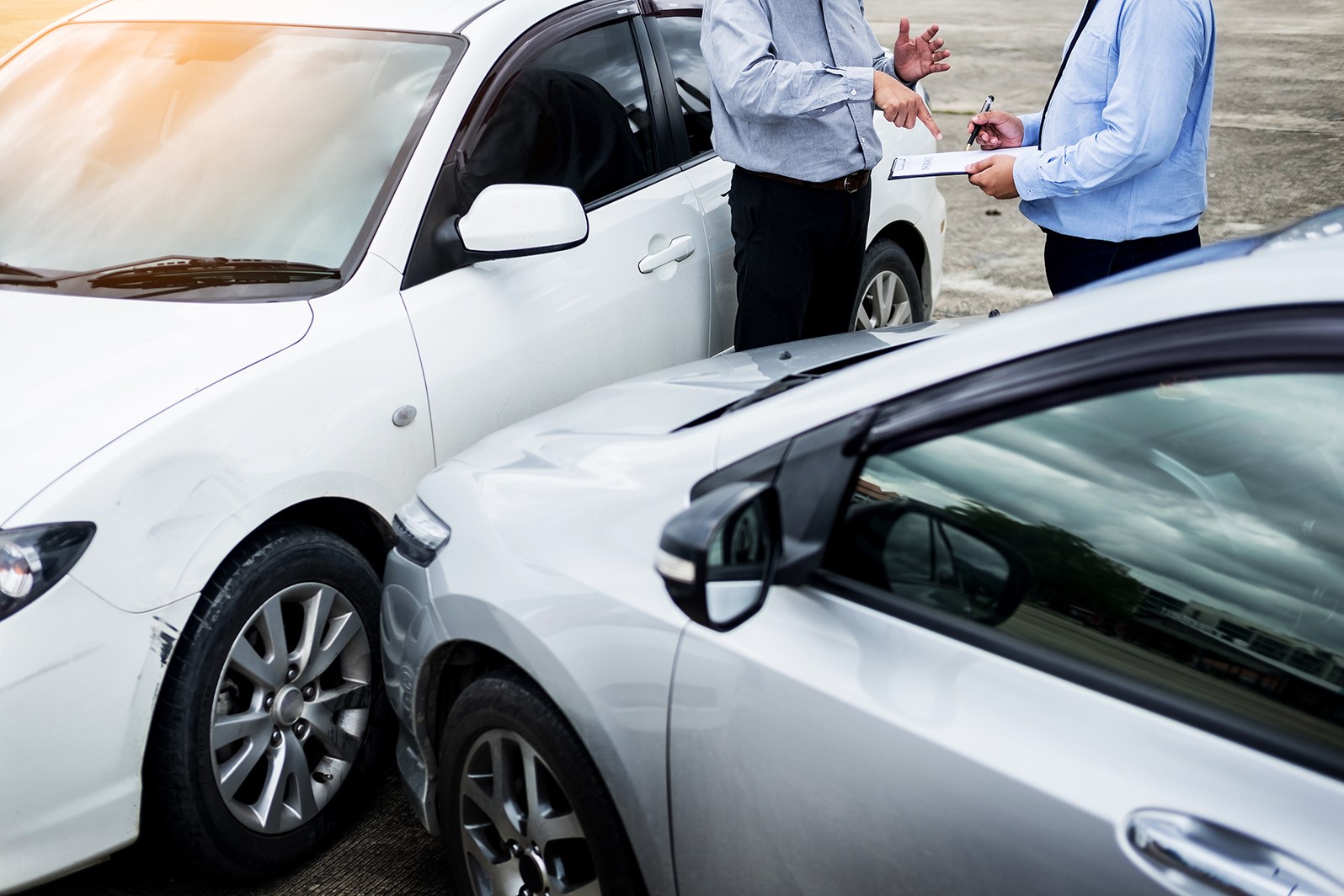
Once it is safe, exchange information with the other driver or drivers involved.
Important information includes:
- full name and contact information;
- driver’s licence information;
- licence plate number;
- vehicle make, model, year, and colour;
- insurance company and policy number;
- name of the registered vehicle owner, if different from the driver;
- location, date, and time of the collision.
Taking photos of the driver’s licence, insurance slip, and vehicle damage can help avoid mistakes, but only do this if it is safe and appropriate.
Avoid arguing about fault at the scene. Stick to collecting information and making sure everyone is safe.
Document the accident scene
Documentation can become important later, especially if the other driver changes their version of events or if injuries become more serious over time.
If it is safe, take photos or videos of:
- vehicle damage;
- vehicle positions before they are moved, if possible;
- licence plates;
- the intersection or roadway;
- traffic lights, stop signs, lane markings, and road conditions;
- skid marks, debris, or broken glass;
- weather and visibility conditions;
- nearby cameras or businesses;
- injuries, if appropriate;
- any property damage.
If there are witnesses, ask for their names and contact information. A neutral witness can be helpful if there is a dispute about how the accident happened.
It can also help to make notes shortly after the collision while the details are still fresh. Include the direction each vehicle was travelling, what you saw, what was said, and whether police, ambulance, or tow services attended.
Get medical care, even if symptoms seem minor
Some injuries are obvious immediately. Others develop over hours or days. Neck pain, back pain, headaches, dizziness, numbness, anxiety, sleep problems, and soft tissue injuries may not feel serious at the scene but can become more disruptive later.
If you are injured, seek medical attention as soon as possible. That may mean calling 911, attending the emergency room, visiting a walk-in clinic, or seeing your family doctor.
Medical records matter. They help connect your symptoms to the accident and create a timeline of your injuries, treatment, and recovery. Waiting too long can make it harder to prove that the injuries were caused or worsened by the collision.
Follow medical advice, attend recommended appointments, and keep records of prescriptions, referrals, treatment plans, therapy, and out-of-pocket expenses.
Contact your insurance company
These benefits may help with certain accident-related expenses and supports, depending on the accident date, the policy, available coverage, and the circumstances.
Your insurer may ask for the police report number, Collision Reporting Centre documents, photos, witness information, and details about injuries or vehicle damage. Keep copies of anything you submit.
In Ontario, accident benefits may be available to people injured in motor vehicle accidents, regardless of who was at fault. These benefits may help with medical and rehabilitation expenses, income replacement, attendant care, and other supports depending on the circumstances and the policy.
Even if you do not own a vehicle or have your own auto insurance policy, there may still be a route to apply for accident benefits. The correct insurer depends on the facts, such as whether you were a passenger, pedestrian, cyclist, driver of a company vehicle, or involved with an uninsured vehicle.
Be careful with early settlement offers
After an accident, an insurance company may contact you quickly. In some cases, an early offer may seem helpful, especially if you are dealing with repair costs, missed work, or immediate financial stress.
The risk is that early offers may not reflect the full impact of the accident. Some injuries take time to diagnose. Recovery may be slower than expected. You may need physiotherapy, medication, time away from work, psychological support, future care, or help with daily activities.
Before accepting a settlement or signing a release, it is important to understand what you may be giving up. A release can limit your ability to claim additional compensation later, even if your symptoms worsen.
Legal advice before signing can help you understand whether the offer is fair, whether benefits have been properly considered, and whether you may have a claim beyond the initial insurance process.
Keep a file from the beginning
Car accident claims often depend on records. Keeping documents organized can reduce stress and protect your position.
Your accident file should include:
- police report or Collision Reporting Centre documents;
- insurance claim numbers and adjuster contact information;
- photos and videos from the scene;
- names and contact information for witnesses;
- medical records and appointment details;
- receipts for medication, treatment, parking, mileage, assistive devices, or home supports;
- proof of missed work or reduced income;
- vehicle repair estimates and invoices;
- all letters, emails, and forms from insurers.
The goal is not to create conflict. It is to preserve accurate information before memories fade or documents are misplaced.
One high-impact list: what to do after a car accident in Ontario
After a car accident, try to take these steps:
- Stop immediately and do not leave the scene;
- Check for injuries and call 911 if anyone is hurt;
- Move to a safe location if it is safe to do so;
- Call police or attend a Collision Reporting Centre where required;
- Exchange driver, vehicle, and insurance information;
- Take photos and videos of the vehicles, scene, roadway, and damage;
- Get witness names and contact information;
- Seek medical care and follow treatment advice;
- Notify your insurance company promptly;
- Speak with a lawyer before accepting an early settlement or signing a release.
A practical way to protect your health and your claim
The aftermath of a car accident can feel confusing, especially when injuries, insurance forms, vehicle repairs, and financial pressure all happen at once. Taking the right steps early can make the process clearer.
Safety and medical care come first. After that, reporting, documentation, insurance communication, and legal advice can help protect your rights.
Need help after a car accident in Ontario? Pace Law Firm can help you understand your options, deal with the insurance process, and protect your rights before you accept a settlement or sign anything.
FAQs — What to Do After a Car Accident in Ontario
What should I do immediately after a car accident in Ontario?
Stop your vehicle, check for injuries, call 911 if anyone is hurt, move to a safe location if possible, exchange information, document the scene, and report the accident where required.
When do I have to call police after a car accident?
You should call police if anyone is injured, if there is suspected impaired driving or criminal activity, if a driver leaves the scene, if property is damaged, if a driver is uninsured or suspended, or if the combined damage appears to meet the reporting threshold.
Should I go to the doctor after a car accident?
Yes, if you feel pain or symptoms after the accident. Some injuries appear hours or days later, and medical records can help connect your symptoms to the collision.
How soon should I contact my insurance company?
You should contact your insurance company promptly. FSRA recommends calling your insurer within 24 hours after an accident to report what happened and ask about next steps.
What information should I collect after a collision?
Collect the other driver’s name, contact information, licence plate, driver’s licence details, insurance information, vehicle details, witness contact information, photos, videos, and any police or Collision Reporting Centre report number.
Can I get accident benefits if the accident was not my fault?
In Ontario, accident benefits may be available to injured people regardless of fault. The insurer responsible for handling the application depends on the facts of the accident and the insurance policies involved.
Should I accept an early settlement offer from the insurance company?
You should speak with a lawyer before accepting an early settlement or signing a release. Early offers may not reflect the full impact of your injuries, treatment needs, income loss, or future recovery.