A hit-and-run collision can leave an injured person with questions that are difficult to answer. The other driver may have left before anyone could record a licence plate, obtain insurance details or identify who was responsible.
In Ontario, an unidentified driver does not automatically mean compensation is unavailable. Depending on the circumstances, an injured person may be able to access statutory accident benefits, make a claim under uninsured automobile coverage or seek compensation through Ontario’s Motor Vehicle Accident Claims Fund.
These are different avenues of recovery. Each has its own eligibility requirements, reporting obligations and limitations.
The immediate concern should be safety and medical care. After that, timely reporting and preserving evidence can become important to determining which insurance coverage or legal options may be available.
What Is Considered a Hit-and-Run Accident in Ontario?
A hit-and-run generally refers to a collision where a driver leaves the scene without fulfilling applicable legal obligations.
For insurance purposes, the more specific question is whether the vehicle or driver responsible for the collision can be identified.
Ontario’s Insurance Act recognizes the concept of an unidentified automobile, which includes situations where the identity of the vehicle’s owner or driver cannot be ascertained.
A hit-and-run may involve another vehicle striking a car and leaving, a driver colliding with a pedestrian or cyclist, or a vehicle causing another driver to take evasive action before disappearing.
Not every incident will qualify for the same coverage. The circumstances of the collision, evidence connecting the unidentified vehicle to the accident and terms of the applicable policy can all affect the claim.
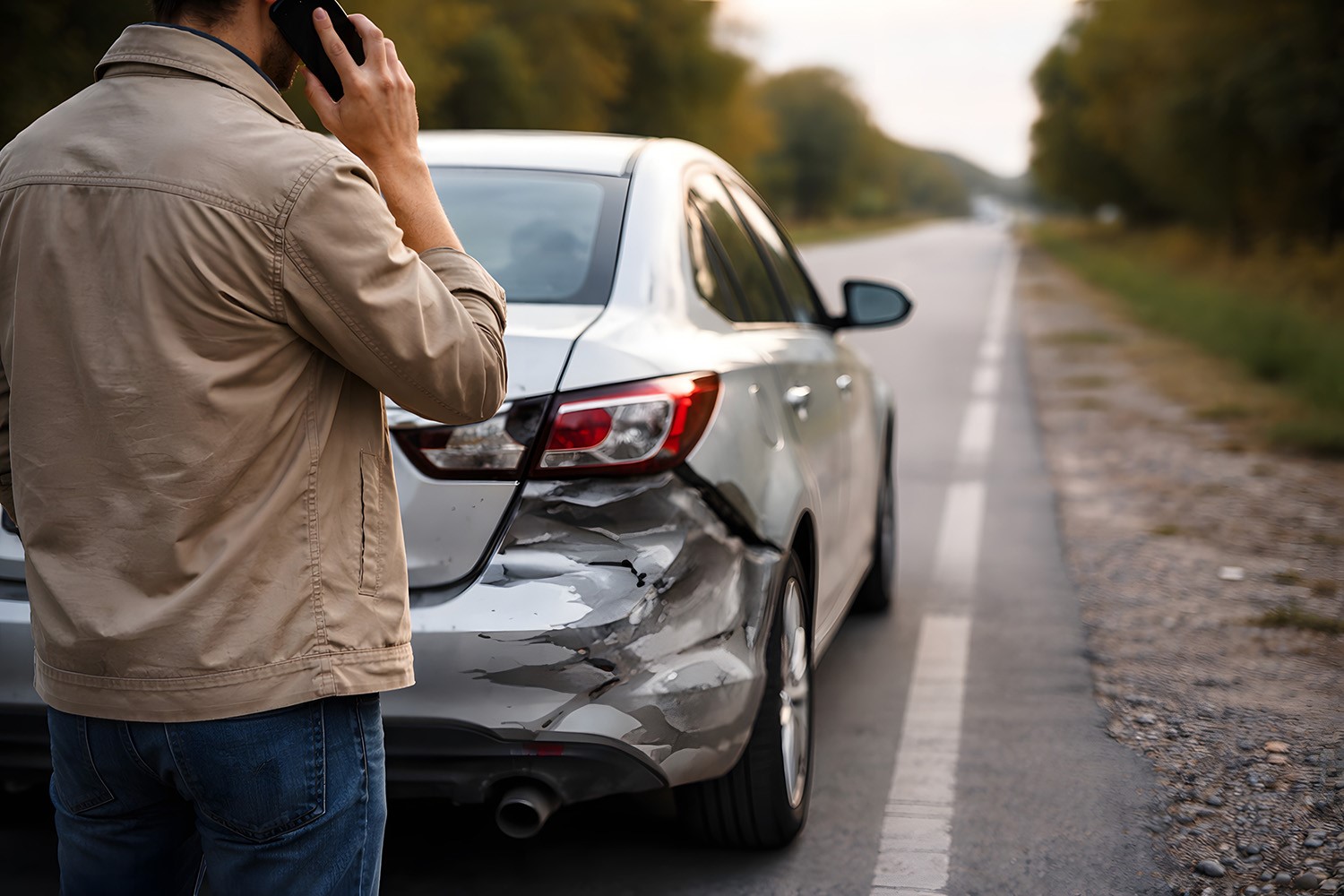
What Should You Do Immediately After a Hit-and-Run?
Safety and medical attention should come before attempting to identify the other driver.
If anyone is injured, call 911. Where it is safe to do so, move away from traffic and follow the instructions of emergency services.
Trying to follow or pursue a fleeing driver may create additional danger. Information about the vehicle can be useful, but it should only be collected when doing so is safe.
Details worth recording include the vehicle’s colour, make, model, licence plate or partial plate number, direction of travel and anything distinctive about its appearance.
If another person witnessed the collision, obtaining their contact information may help police or an insurer investigate what happened.
The fact that the other driver left the scene should be communicated clearly when the accident is reported.
Report the Collision to Police
Police reporting can be particularly important when the responsible driver cannot be identified.
Ontario’s uninsured automobile coverage regulation contains specific requirements for accidents involving unidentified automobiles that cause bodily injury or death to an insured person.
The regulation generally requires the accident to be reported to a police officer, peace officer or judicial officer within 24 hours, or as soon as practicable after that time.
The insured person or their representative must also provide the insurer with a written statement describing the accident within 30 days, or as soon as practicable after that period.
These requirements are separate from ordinary collision reporting obligations under road traffic legislation.
A person who is receiving emergency treatment or is otherwise unable to report immediately may have circumstances relevant to whether later reporting was practicable. Delays should nevertheless be addressed promptly and documented.
The applicable requirements depend on the type of claim and coverage being pursued.
Document the Scene and Preserve Evidence
Where a driver cannot be identified, evidence from the scene may become central to the claim.
Useful records may include photographs of vehicle damage, debris, road markings, surrounding traffic controls, property damage, weather conditions and the location of the collision.
The injured person should also preserve any dashcam footage, photographs, police information, witness details or communications received after the incident.
Nearby businesses, residences, parking facilities or traffic systems may have cameras that recorded some part of the collision. Whether footage exists or can be obtained will depend on the location and circumstances.
Evidence can become more difficult to recover as time passes. Video may be overwritten, vehicles may be repaired and witnesses may become harder to locate.
A record made shortly after the collision can also help explain the sequence of events while the details remain relatively fresh.
Seek Medical Care and Keep Treatment Records
Some injuries are apparent at the scene. Others may develop or become more noticeable in the hours or days that follow.
Neck and back pain, headaches, dizziness, soft tissue injuries and psychological symptoms may require assessment even where the initial collision did not appear severe.
Medical attention should be based on the person’s condition and symptoms.
Records of examinations, diagnoses, referrals, treatment recommendations and recovery can help establish the nature and progression of an injury.
Those records may also be relevant when determining whether accident benefits are available or whether a claim for damages can be supported.
Can You Receive Compensation if the Driver Is Never Found?
Potentially. The inability to identify the other driver does not necessarily eliminate insurance coverage or all avenues of recovery.
Ontario’s automobile insurance framework includes several mechanisms that may be relevant.
Statutory accident benefits may provide access to certain treatment and other benefits without requiring the injured person to establish that another driver was at fault.
Uninsured automobile coverage may respond to certain claims involving bodily injury or death caused by an uninsured or unidentified automobile, subject to policy and legislative requirements.
Ontario’s Motor Vehicle Accident Claims Fund may provide a possible source of compensation when no automobile insurance is available to respond.
These mechanisms are not interchangeable, and a person is not automatically eligible for all three.
The available coverage depends on the injured person’s insurance circumstances, the type of loss, the evidence and the rules governing the particular claim.
Accident Benefits After a Hit-and-Run
Ontario’s statutory accident benefits system provides certain benefits to eligible people injured in automobile accidents, regardless of who caused the collision.
That can be important after a hit-and-run because the injured person may not know who the responsible driver was or whether that driver had insurance.
Accident benefits generally address specified losses and treatment needs rather than determining liability for a personal injury lawsuit.
Medical, rehabilitation and attendant care benefits remain mandatory components of Ontario automobile insurance coverage.
However, the rules changed on July 1, 2026.
For policies entered into on or after that date, other benefits, including income replacement, non-earner, caregiver, death and funeral benefits, are generally optional rather than automatically included. Existing policies and optional benefit selections must be reviewed in light of the transitional rules.
A person who does not own a vehicle or have an automobile insurance policy may still qualify for certain accident benefits through the applicable insurance priority rules.
For example, an injured passenger, pedestrian or cyclist may have access to a benefits claim even if they do not personally hold an automobile insurance policy.
Eligibility and the insurer responsible for handling the application depend on the circumstances.
Uninsured Automobile Coverage and Unidentified Drivers
Uninsured automobile coverage is a mandatory component of Ontario’s standard automobile insurance framework.
Section 265 of the Insurance Act provides for coverage involving certain damages arising from bodily injury or death caused by uninsured or unidentified automobiles, subject to prescribed terms, conditions, exclusions and limits.
A hit-and-run may therefore involve uninsured automobile coverage even when the other vehicle’s identity remains unknown.
This coverage is distinct from statutory accident benefits.
Accident benefits can address specified treatment and other eligible expenses. Uninsured automobile coverage concerns certain damages the insured person is legally entitled to recover in connection with the collision.
The claim may require evidence establishing that an unidentified automobile was involved and that its owner or driver was legally responsible for the injuries.
The policy’s reporting requirements and applicable statutory conditions also matter.
For some claimants, optional family protection coverage may be relevant to additional losses or limits, depending on the endorsement and circumstances. Such coverage should not be assumed without reviewing the policy.
What if There Was No Contact Between the Vehicles?
Some collisions occur because a driver swerves or takes evasive action to avoid another vehicle that then leaves the scene.
The absence of physical contact does not necessarily resolve every insurance question.
A claim involving an unidentified vehicle may require convincing evidence that another vehicle was involved and that its conduct contributed to the accident.
Witness statements, video footage, photographs, road conditions and other independent information may become particularly important.
Additional corroboration requirements may apply under certain optional insurance endorsements.
Whether a claim is covered should therefore be assessed under the specific policy provisions and the evidence available, rather than assuming that a collision must involve direct contact with the unidentified vehicle.
What Is Ontario’s Motor Vehicle Accident Claims Fund?
The Motor Vehicle Accident Claims Fund (MVACF) is a provincial compensation mechanism intended to operate as a payer of last resort in certain automobile accident claims.
The Fund may become relevant when no automobile insurance exists to respond to an eligible claim.
Ontario identifies circumstances involving uninsured vehicles and unidentified drivers, including certain hit-and-run accidents, as situations in which a person may be eligible to apply.
However, the Fund does not replace available private automobile insurance.
Eligibility depends on factors including residency, where the accident occurred, the nature of the loss and whether another insurer is responsible.
The Fund may provide statutory accident benefits in eligible circumstances. It may also respond to certain claims for damages involving injury or death. Property damage claims are subject to additional restrictions, including requirements to identify the at-fault vehicle’s owner and driver, and the Fund does not compensate for damage to vehicles.
Under Ontario’s Motor Vehicle Accident Claims Act, the Fund generally operates within a maximum liability framework of $200,000 per accident for damages, exclusive of certain costs and subject to the Act’s provisions.
That figure should not be interpreted as an automatic payment or individual entitlement.
A person considering an application should confirm whether the Fund is the appropriate payer before assuming it will cover the loss.
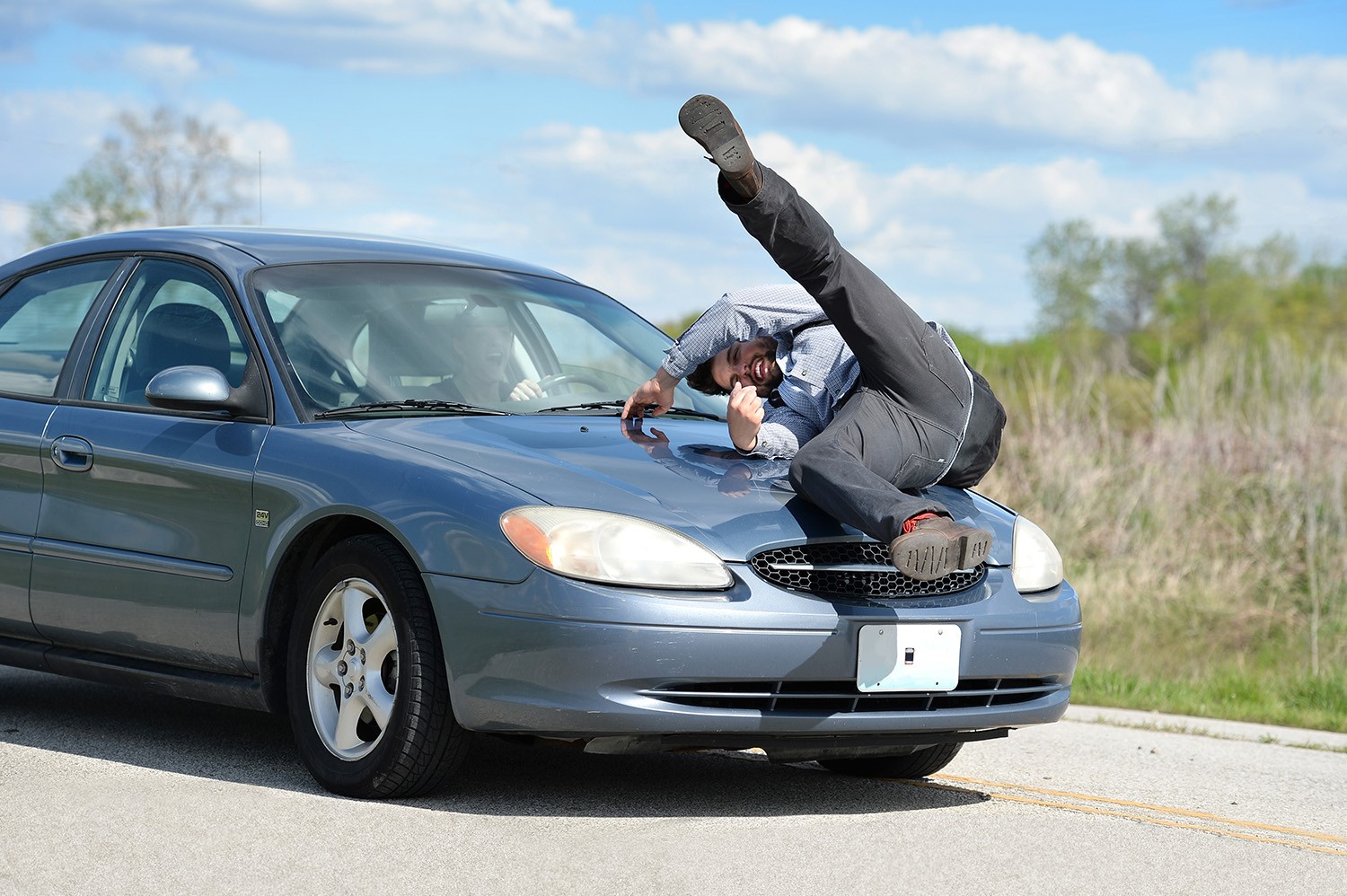
Does the Fund Cover Vehicle Repairs?
The Motor Vehicle Accident Claims Fund should not be treated as ordinary collision or physical-damage insurance.
Ontario’s Fund may address certain qualifying property losses, but the provincial government expressly excludes damage to vehicles from the compensation described in its public guidance.
For damage to the injured person’s own vehicle, the relevant question may instead be whether the person purchased collision, all-perils or other applicable coverage.
An insurer may also need to consider the circumstances of the accident and the terms of the policy.
Where the at-fault vehicle is unidentified, Ontario’s standard uninsured automobile coverage generally does not cover damage to the injured person’s vehicle. Collision, all-perils or other applicable coverage may provide compensation, depending on the policy and circumstances.
The distinction between bodily injury claims and vehicle damage claims should be made early.
Why Reporting and Insurance Deadlines Matter
A hit-and-run can involve several different deadlines.
The police reporting requirements connected to unidentified automobile coverage are one example. Accident benefits applications and personal injury proceedings can also involve notice requirements, prescribed forms and limitation periods.
A person may need to notify an insurer promptly, complete accident benefits documentation or preserve the right to bring a claim for damages.
Not every deadline operates in the same way, and the consequences of late notice depend on the governing statute, regulation, policy and circumstances.
In Ontario, personal injury claims are generally subject to the Limitations Act, 2002, which establishes a two-year basic limitation period running from discovery of the claim, subject to applicable rules and exceptions.
Claims involving public compensation funds, unidentified defendants or particular insurance policies may require additional procedural steps.
Obtaining advice early can help clarify which deadlines apply before documents or evidence become difficult to obtain.
What Happens if the Driver Is Identified Later?
A driver who cannot initially be identified may later be located through police investigation, witness evidence or other information.
That development may affect which insurer is responsible and what legal claims can be pursued.
If the driver is identified, their insurance status may also become relevant. An identified driver who was uninsured presents a different insurance situation from a driver whose vehicle and insurer can be confirmed.
The availability of compensation may still depend on liability, coverage, applicable limits and the evidence supporting the claimed losses.
Any information identifying the other driver should be shared with the appropriate insurer and legal representative so the claim can be reassessed.
Hit-and-Run Accident Checklist
After a hit-and-run collision involving injury, the following steps may help preserve important information:
- Obtain emergency assistance and medical attention where required.
- Report the collision to police and explain that the other driver left the scene.
- Record any information available about the fleeing vehicle.
- Photograph damage, debris, roadway conditions and surrounding areas where safe.
- Obtain witness names and contact information.
- Preserve dashcam footage and identify possible nearby cameras.
- Notify the appropriate automobile insurer promptly.
- Confirm whether a written unidentified-automobile statement is required.
- Keep medical records, treatment information and relevant expense documentation.
- Review available accident benefits and uninsured automobile coverage.
- Consider whether the Motor Vehicle Accident Claims Fund may apply if no insurance is available.
- Obtain legal advice about reporting obligations, eligibility and limitation periods.
When the Driver Cannot Be Found, the Insurance Review Still Matters
A hit-and-run creates uncertainty because the person responsible may never be identified.
Ontario’s insurance framework recognizes that possibility. Depending on the circumstances, an injured person may have access to accident benefits, uninsured automobile coverage or the Motor Vehicle Accident Claims Fund.
The available options depend on the facts. Reporting requirements, insurance priority rules, policy limits, optional coverages and evidence of the unidentified vehicle’s involvement can all affect the outcome.
The absence of an identified driver should not be treated as a reason to assume that no claim can be considered.
Pace Law Firm’s Personal Injury team can help people injured in Ontario hit-and-run collisions review their insurance coverage, understand relevant reporting requirements and assess the legal options that may be available when the responsible driver cannot be identified.
FAQs — Hit-and-Run Accidents in Ontario
Can I receive compensation after a hit-and-run accident in Ontario?
Possibly. Depending on the circumstances, an injured person may have access to statutory accident benefits, uninsured automobile coverage or Ontario’s Motor Vehicle Accident Claims Fund. Each has separate eligibility rules, limits and reporting requirements.
Does my insurance cover an accident caused by an unidentified driver?
Ontario automobile insurance includes uninsured automobile coverage that may respond to certain injury or death claims involving unidentified drivers. Statutory accident benefits may also be available independently of fault. The applicable coverage depends on the policy and circumstances.
How quickly must I report a hit-and-run accident?
For certain unidentified-automobile injury claims under Ontario’s uninsured automobile regulation, the accident generally must be reported to police within 24 hours or as soon as practicable. A written statement must also generally be provided to the insurer within 30 days or as soon as practicable. Other reporting obligations may apply.
Can I claim accident benefits if I do not have car insurance?
Potentially. People injured as passengers, pedestrians or cyclists may qualify for certain accident benefits even if they do not own an insured vehicle. The insurer responsible for the claim is determined under applicable insurance priority rules.
What is the Motor Vehicle Accident Claims Fund?
Ontario’s Motor Vehicle Accident Claims Fund is a payer of last resort for certain eligible motor vehicle accident claims when no automobile insurance is available to respond. It may apply to some hit-and-run accidents, subject to statutory requirements and limits.
What happens if the hit-and-run driver is never identified?
The inability to identify the driver does not necessarily eliminate insurance coverage or other recovery options. Available compensation depends on the injured person’s coverage, evidence, statutory eligibility and whether the applicable reporting obligations have been satisfied.
Can I make a claim if another vehicle caused me to swerve but did not hit my car?
Possibly. A lack of direct contact does not necessarily exclude every claim involving an unidentified vehicle. The evidence and specific policy provisions matter, and some optional endorsements may impose additional corroboration requirements.
Are income replacement benefits automatically available after a hit-and-run?
Not necessarily. Ontario changed its accident benefits framework on July 1, 2026. Income replacement and several other benefits are now generally optional under the revised framework. Whether a person has that coverage depends on the relevant policy, purchased options and transitional rules.